Living
Laptop-friendly cafés in Bangkok: the unwritten rules
How to work from cafés in Bangkok without annoying staff or ruining your own afternoon: minimum spend, socket etiquette, table reading, and area picks.
On this page
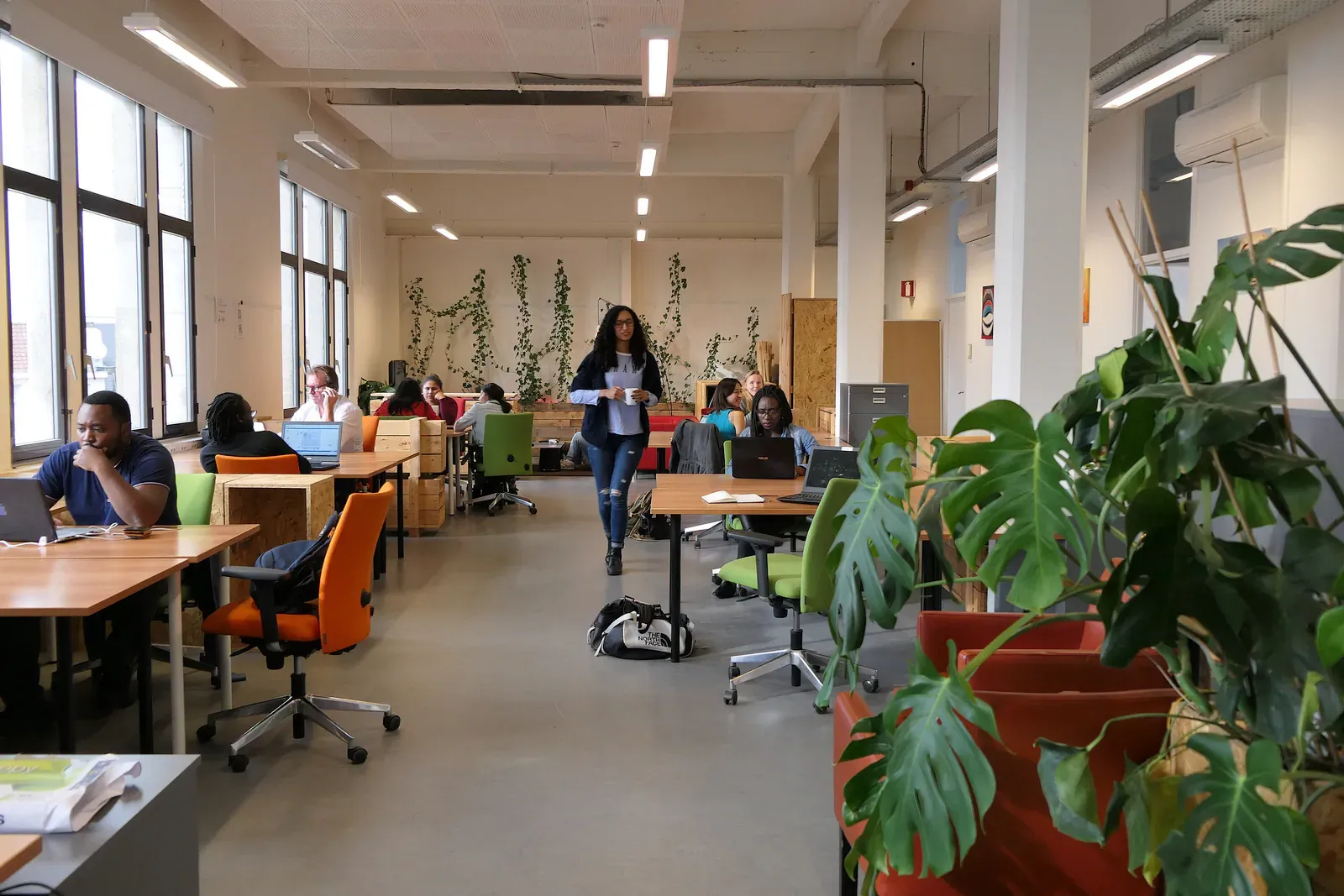
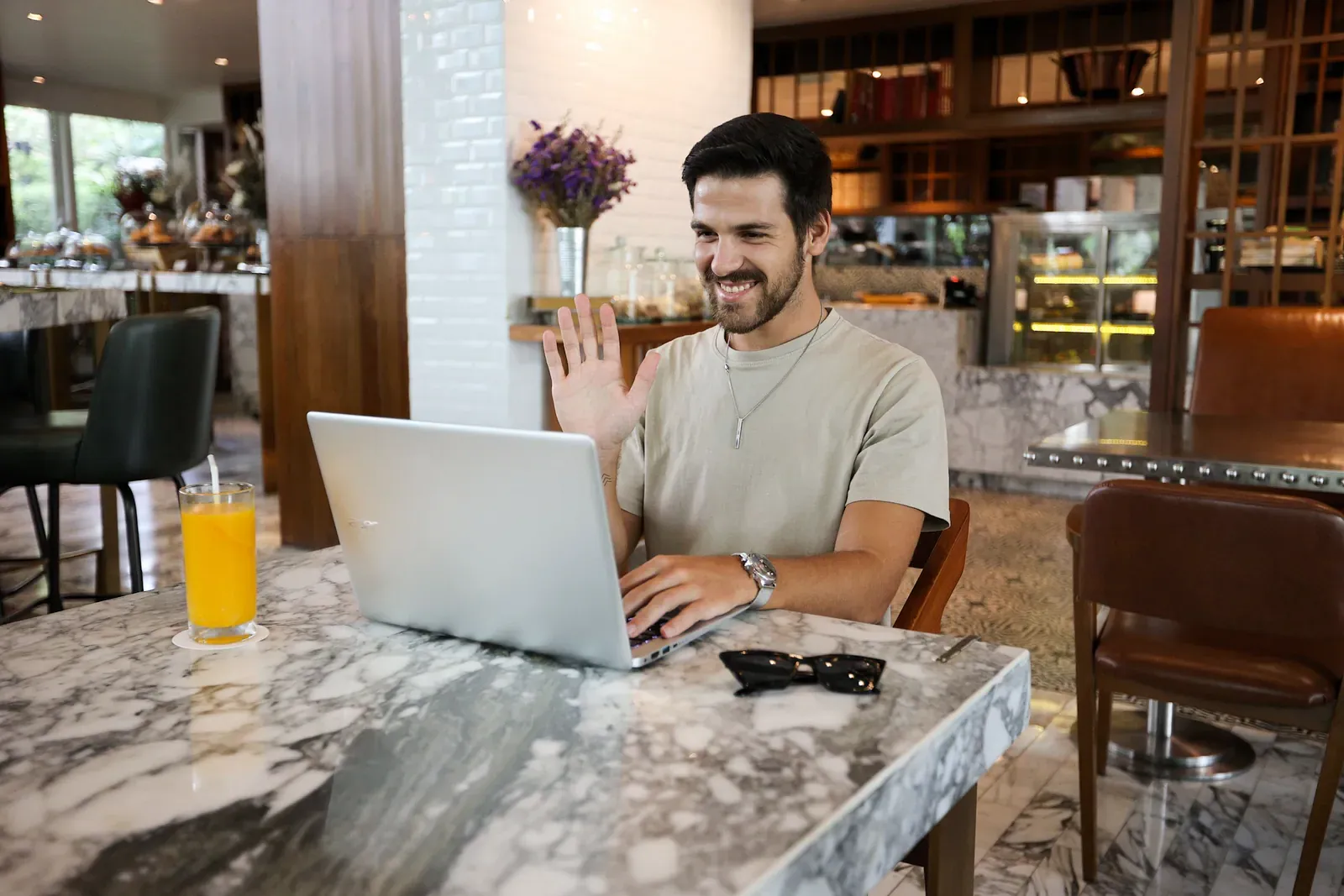
Working from a café in Bangkok is a skill with its own etiquette, and getting it wrong is why the good tables disappear by mid-morning and why some cafés have quietly gone cold on laptop users altogether. The short version: spend properly, read the room, and treat a café table as borrowed, not owned.
Why this is a skill, not a given
A Bangkok café is a business with rent to cover from turnover, and a single laptop occupying a four-top for six hours on one iced coffee is a worse customer than four separate lunch parties in the same window. Staff rarely say this outright (Thai service culture leans toward not confronting a customer directly), but it shows up as a cold shoulder, no socket offered, or a gentle “kitchen closes soon” nudge that means something else. Reading these signals matters more here than in cities where cafés post explicit laptop bans.
The unwritten rules
- Minimum spend, unstated but real. One drink per hour or two of sitting is the informal baseline in most laptop-tolerant cafés; nursing a single cold brew for four hours reads as freeloading even if no policy says so.
- Time limits, rarely posted, often enforced socially. Some specialty cafés cap laptop use at two to three hours during peak periods, either with a sign or, more often, a staff member asking politely once a queue forms.
- Table size matters. Taking a four-top or a table clearly meant for a group, when two-tops are free, is the single fastest way to earn a cold reception, especially at lunch, when the same table could seat paying diners.
- Power-socket etiquette. If a café has limited sockets, don’t claim one “for later” by leaving a charger plugged in at an empty seat. Ask before unplugging someone else’s charger, and don’t monopolise the only socket near the door for six hours if others are visibly hunting for power.
- Good tables vanish early. Corner seats near sockets, away from the counter noise and direct sun, are gone by around 10:00 on weekdays in nomad-heavy neighbourhoods. Arrive earlier, or accept a lesser seat.
- Calls are a separate problem. Taking a video call at your table, speakerphone or otherwise, is one of the fastest ways to draw irritated looks in a quiet specialty café. Step outside, or book a booth if the venue is a café-hybrid with one: covered in the coworking spaces guide for venues built to handle this properly.
Solo working versus group study sessions
University students and small study groups are a regular fixture in café-working culture around Bangkok’s education-dense neighbourhoods, and the etiquette shifts slightly for a group. A group of three or four sharing one large table and each buying their own drink is generally treated differently from one person occupying the same table alone: the per-seat spend adds up to something closer to what the café expects from that table size. If you’re coordinating a study or work session with others, book ahead where the venue allows it, arrive together rather than holding a table solo while waiting for the rest of the group, and expect busier cafés near universities to fill their best group tables early on weekday afternoons.
Reading a café before you sit
A thirty-second scan before ordering saves an afternoon of frustration.
- Socket count and location. Walk the room, not just the entrance area: sockets cluster near walls and booths, and a café that looks full might have empty seats with no power.
- Seat type. Bar stools and low lounge chairs are fine for an hour, punishing for four. Proper dining chairs at a table of workable height last longer.
- Aircon versus open frontage. Fully air-conditioned rooms are quieter and more stable for calls; cafés with open, street-facing frontage are pleasant but bring traffic noise, humidity and occasional smoke that a closed room avoids.
- Music volume. A café playing background music at conversation level is fine for reading, harder for calls. Loud curated playlists in trendier spots are part of the brand and won’t be turned down for one customer.
- Ceiling height and hard surfaces. High ceilings, concrete floors and bare walls look great in photos and bounce sound badly: a busy café with this combination gets genuinely loud by midday, which matters if you’re on calls rather than just typing.
- Screen glare from glass frontages. Floor-to-ceiling windows facing east or west turn brutal by mid-afternoon; check the sun’s path before picking a window seat for a full day.
Chains, independents, malls and hotel lobbies
Bangkok’s café-working scene breaks into a few recognisable types, and it’s worth choosing the type deliberately rather than wandering in.
- International and regional chains: consistent aircon, consistent seating, usually tolerant of laptops for a couple of hours, but rarely built for all-day use and often short on sockets relative to seating.
- Specialty independents: the strongest coffee and the best design, but also the most likely to have an unspoken time limit during their busiest hours, since the whole business model depends on table turnover.
- Mall cafés: steady aircon, generally good wifi backbone since malls invest in it, and a huge range of price points in one building; downside is noise from mall foot traffic and food courts nearby.
- Hotel lobby cafés and lounges: comfortable, quiet, well air-conditioned, and genuinely tolerant of long stays, but priced at a premium that makes them a poor daily habit and better as an occasional treat or a client-meeting venue.
Treat these as categories rather than a shortlist of specific venues: current hours, prices and wifi performance change often enough that naming a single café’s reliability here would be guesswork rather than fact.
Areas that reward café-working
Certain BTS and MRT-adjacent neighbourhoods have enough café density that hopping to a second spot when the first fills up costs a five-minute walk, not a taxi ride. Thong Lo and Ekkamai (BTS Sukhumvit line) have the densest specialty scene and the most laptop-tolerant culture, partly because so much of the clientele is doing the same thing. Ari (BTS Sukhumvit line) offers a quieter, more residential café scene with less turnover pressure. Phrom Phong and On Nut fill the gap between Thong Lo’s density and the calmer stretches further out. None of these guarantee a seat at peak times: arrive before 10:00 or after the lunch rush for the best odds.
Mall food courts and libraries as backup
When cafés are full or you need several hours of uninterrupted focus, two underused options exist. Mall food courts, especially the quieter upper floors away from the main dining rush, offer real tables, strong aircon and mall-grade wifi, usually with no social pressure about how long you stay once you’ve bought food. Public and university libraries, where accessible to non-members, offer genuine silence and reliable power, though opening hours and access policies vary enough that they need checking case by case rather than assuming.
Bringing a companion, a call, or a small meeting
Working alongside a friend or partner is generally fine at a two-seat table without extra scrutiny, but a small informal meeting (three or four people, a laptop out, a discussion rather than a catch-up) starts to look like using the café as a free meeting room, which is closer to the behaviour that earns a cold reception. If you regularly need to meet clients or collaborators over a table, a café-hybrid space or a coworking day pass with a bookable meeting room, covered in the coworking spaces guide, removes the ambiguity entirely and looks more professional to whoever you’re meeting. If you want a game rather than a desk, see our chess in Bangkok guide for cafe boards.
Security habits for a laptop on a table
Bangkok is generally low-risk for the kind of café theft that plagues some other cities, but a laptop and phone left visibly unattended while you queue or visit the bathroom is still an avoidable risk, more from opportunistic snatching than targeted theft. Keep the laptop closed or angled away from the aisle if you step away even briefly, and don’t leave a phone screen-up on the table edge nearest the door. A cable lock is overkill for café work; basic attentiveness covers most of the real risk.
Weather and seasonal patterns
Bangkok’s climate shapes café-working more than people expect before their first hot season. From roughly March to May, midday heat makes any café with strong aircon and no direct sun exposure the only comfortable option for hours-long sessions; open-frontage cafés that feel breezy and pleasant in December become uncomfortable by 1pm in April. Rainy season, roughly June to October, brings sudden downpours that fill covered outdoor seating fast and can strand you at a café for longer than planned: worth factoring in if you have a hard stop for a call or meeting elsewhere. Cooler season, November to February, is when open-frontage and rooftop cafés are genuinely at their best, and competition for those seats increases accordingly.
Ordering and payment habits worth knowing
Most cafés that welcome laptop users expect you to order at the counter rather than wait for table service, and paying by card or QR-code mobile payment is now standard across chains and most independents, though smaller shophouse-style cafés may still be cash-preferred or cash-only. If you plan to stay for several hours, ordering food as well as drinks (even something small) reinforces that you’re a paying customer worth the table space, and it’s a cheap way to extend your welcome at a busy venue without needing to have the “how long can I stay” conversation at all.
The honest verdict versus a coworking day pass
Café-working wins on cost, atmosphere and flexibility to move around a neighbourhood through the day. It loses on reliable meeting-room access, booth privacy for calls, guaranteed sockets at peak hours, and the social pressure to keep buying and keep moving on. If your work is mostly heads-down and occasional, cafés are the better economics. If you’re on calls for hours a day or need a bookable private room, a coworking day pass or membership (detailed in the coworking spaces guide) solves problems that no café setup fixes. Connectivity is the other variable worth weighing properly before committing to a café as your daily base; see internet and connectivity for remote work for what “good wifi” should actually mean under a real workload.
Common questions
How long can I sit in a Bangkok café with a laptop?
There’s no universal rule: quieter chains generally tolerate several hours, while busy specialty cafés may expect two to three hours during peak times. Buying something every hour or two and watching how busy the room gets are the best real-time signals.
Do Bangkok cafés have reliable wifi for video calls?
Many do, but reliability varies far more than in a purpose-built coworking space, and a café’s wifi can degrade sharply once it fills up at lunch. Test it live rather than trusting a “free wifi” sign, and have a mobile data backup for anything important.
Is it rude to take a table for four when working alone?
Yes, if two-tops are available: it’s one of the fastest ways to draw an unfriendly reaction from staff, especially during meal times when that table could seat paying groups.
What’s the best time to get a good café table in Bangkok?
Before about 10:00 on weekdays, before the mid-morning wave of remote workers and before lunch traffic starts. After 14:30, once the lunch rush clears, is the next best window.
Are mall food courts a good backup workspace?
Yes, particularly on quieter upper floors: strong aircon, real tables, decent wifi and no time pressure once you’ve bought food, though the atmosphere is more functional than a café.
Should I take a phone call at my café table?
Better not to, especially in a quiet specialty café: step outside or find a covered walkway nearby. If calls are a regular part of your day, a coworking space with a bookable booth is a better long-term setup than café-hopping.
Written by
Mike Brochlowski
Founder and editor, travel photographer and designer
I'm Mike Brochlowski, a travel photographer and designer, and I currently live on Koh Samui, Thailand. I built BangkokWiki to put practical, checked information about Bangkok in one place. Every page is researched from official and primary sources, and the text names them. Where a page shows a checked date, that is when its facts were last confirmed. I also run samui69.com, a non-commercial guide to Koh Samui. If you spot an error or something out of date, tell me through the contact page and I will check it and correct the page.
Read all articles
Visas and paperwork
Staying in Thailand longer?
Visas, extensions, documents and banking for longer stays. Rules and fees change often and offices apply them differently, so check the official source before you act.

Places to stay
Find a hotel
Explore the other desks
More from Living
- 10 min read
 9 min read
Renting Near an International School in Bangkok
 6 min read
Furnished vs Unfurnished in Bangkok: The Breakeven Math

Newsletter
You're subscribed as